
As we approach 2026, the veterinary industry is witnessing a significant shift in how dental care is delivered. No longer confined to bulky, stationary setups, the modern veterinary clinic is moving toward vertical pet dental solutions. These integrated systems prioritize efficiency, but two factors are emerging as the primary drivers of growth: portability and radiation safety.
For practices looking to stay ahead of the curve, upgrading to advanced veterinary dental equipment is no longer optional—it is a strategic necessity for clinical excellence and staff protection.
The Shift Toward Vertical Integration
In the context of 2026, “vertical solutions” refers to the seamless integration of imaging, software, and treatment tools. This holistic approach reduces the footprint of equipment while maximizing diagnostic output. By choosing specialized providers like KNS Vet, clinics can implement systems specifically designed for the unique oral anatomy of companion animals.
Portability: The 2026 Workflow Standard
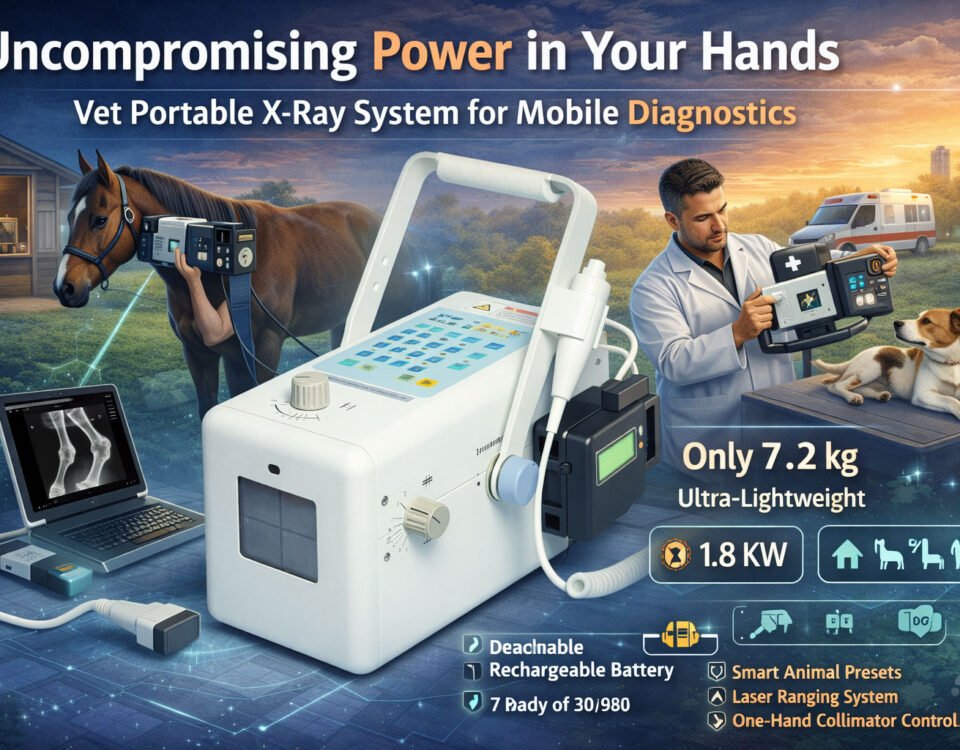
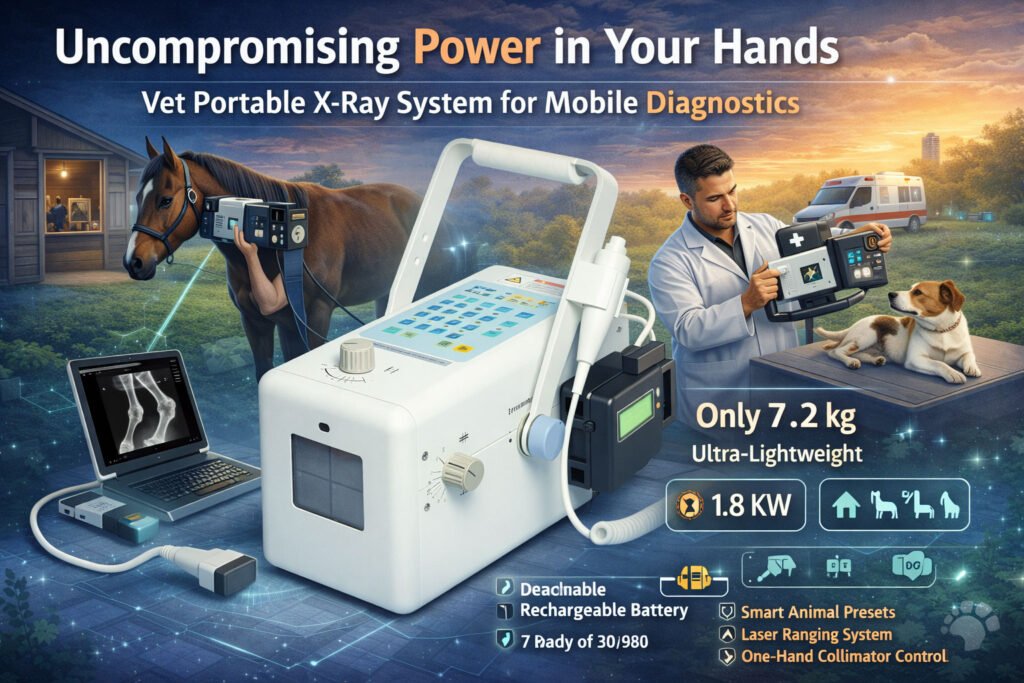
The demand for mobile veterinary services and the need for space optimization in urban clinics have made portability a top priority. Portable dental X-ray units are replacing wall-mounted arms for several reasons:
- Versatility: Use a single device across multiple exam rooms or in the field for mobile clinics.
- Speed: Capture images at the point of care without moving the anesthetized patient.
- Space Efficiency: Eliminate the need for heavy structural mounting, freeing up wall space for other essential tools.
- Ease of Use: Lightweight, ergonomic designs reduce operator fatigue during long dental procedures.
Prioritizing Radiation Safety for Staff and Patients
By 2026, regulatory standards for radiation safety in veterinary practices are expected to become more stringent. Modern vertical dental solutions are addressing these concerns with breakthrough technology. Today’s handheld X-ray systems are engineered to minimize scatter radiation, ensuring that the veterinary technician remains safe while staying close to the patient.
Key safety features to look for in 2026 include:
- Internal Lead Shielding: High-grade backscatter shields that protect the operator from primary and secondary radiation.
- Low-Dose Sensors: Advanced digital sensors that require significantly less exposure time to produce high-resolution images.
- Remote Triggering Options: The ability to operate equipment from a safe distance without compromising image quality.
- Safety Certification: Equipment that meets or exceeds international radiation safety standards for veterinary use.
Why This Matters for Your Practice Growth
Investing in vertical dental solutions is about more than just technology; it’s about the “Return on Safety” and “Return on Mobility.” Clients in 2026 are more informed than ever; they look for clinics that utilize the latest technology to ensure their pets’ safety. By promoting your use of low-radiation, high-portability tools from www.kns-vet.com, you build trust and differentiate your practice in a competitive market.
Conclusion
The future of veterinary dentistry is mobile, safe, and integrated. As we look toward 2026, vertical dental solutions that offer high portability and uncompromising radiation safety will be the cornerstone of successful veterinary practices. Is your clinic ready for the transition?
Explore the latest in veterinary imaging and dental technology by visiting KNS Vet today.